

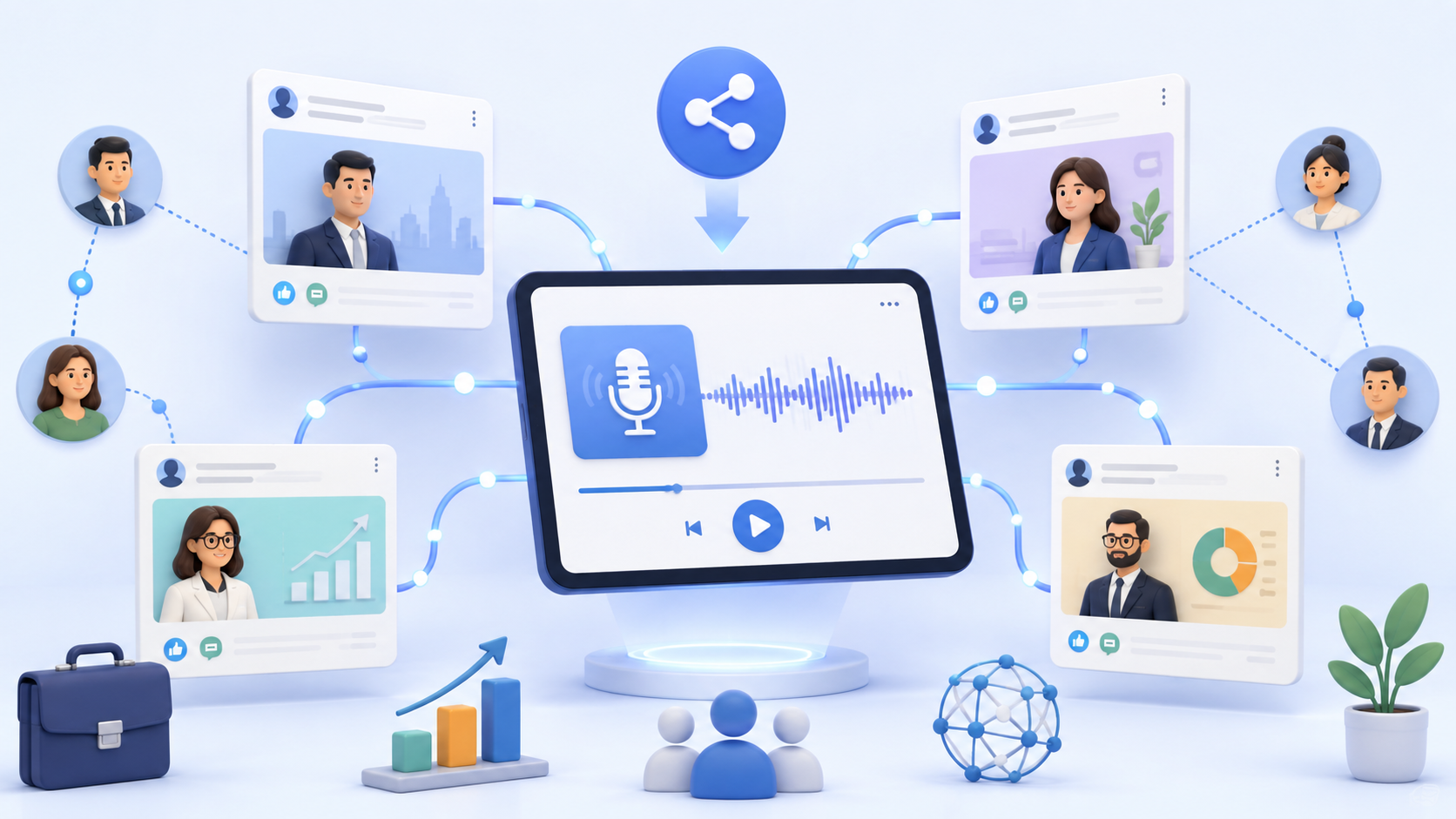
LinkedIn has emerged as one of the most effective platforms for podcast discovery and audience growth, with professional content seeing 3x higher engagement rates than entertainment-focused posts. However, most podcasters approach LinkedIn sharing without leveraging the audience intelligence data that could dramatically improve their reach and conversion rates. The difference between posting randomly and sharing strategically based on listener behavior data often determines whether your episodes gain traction or get lost in the LinkedIn feed.
Successful podcast promotion on LinkedIn requires understanding both your audience's professional interests and their content consumption patterns across platforms. When podcasters analyze their listener data through comprehensive analytics platforms, they discover specific demographic and behavioral insights that inform more effective social media strategies. This data-driven approach transforms LinkedIn from a broadcasting channel into a targeted audience development tool.
The team at Listener has observed that podcasters who align their LinkedIn sharing strategy with their audience analytics data see 40-60% higher engagement rates compared to those using generic social media approaches. This improvement stems from understanding not just who listens to your podcast, but how your audience behaves across different platforms and what professional contexts drive them to consume podcast content. Let's examine the most effective strategies for maximizing your podcast's LinkedIn presence through data-informed decisions.
Optimize Your Content Format and Visual Strategy
LinkedIn's algorithm prioritizes native content that encourages meaningful professional discussions, making your content format choices critical for episode visibility. Video content, particularly short clips or episode highlights, generates significantly higher engagement than text-only posts, with video posts receiving 5x more shares than other content types. However, the key lies in selecting video segments that align with your audience's professional interests rather than simply choosing the most entertaining moments.
Listener's Episode Clusters feature helps podcasters identify recurring themes and topics that resonate most strongly with their audience, providing data-driven guidance for selecting LinkedIn content. When you understand which episode segments generate the highest engagement across your audience, you can create LinkedIn posts that speak directly to those proven interest areas. This approach ensures your LinkedIn content strategy builds on verified listener preferences rather than assumptions about what might perform well.
Your visual strategy should reflect the professional context while maintaining your podcast's brand identity. High-quality audiogram visuals, custom graphics highlighting key quotes, and behind-the-scenes content that showcases the expertise and preparation behind episodes tend to perform exceptionally well on LinkedIn. The platform's professional audience responds positively to content that demonstrates thought leadership and industry expertise.
Consider these essential visual elements for LinkedIn podcast sharing:
- Audiogram highlights: 60-90 second clips featuring your most insightful episode moments with professional-quality visual branding
- Quote graphics: Key insights or statistics from episodes formatted as shareable graphics that standalone value even without audio
- Behind-the-scenes content: Photos or videos of recording setups, guest preparation, or research processes that humanize your podcast
- Data visualization: Charts, graphs, or infographics that illustrate key points from your episodes in a format LinkedIn's business audience appreciates
The experts at Listener emphasize that successful LinkedIn visual content maintains consistency with your overall podcast brand while adapting to LinkedIn's more formal, professional aesthetic. Your audiograms should feature clear, readable text overlays and maintain high audio quality since many LinkedIn users consume content with sound on during breaks or commutes. Additionally, ensuring your visuals work well both in LinkedIn's feed and when shared to other platforms maximizes their utility across your entire social media strategy.
Professional podcasters who leverage audience intelligence data to inform their visual content strategy report significantly higher conversion rates from LinkedIn traffic to their full episodes. This improvement occurs because data-driven visual selection ensures the content preview accurately represents the value listeners will receive from the complete episode, setting appropriate expectations and attracting genuinely interested audience members.
Master Timing and Frequency Based on Audience Data
LinkedIn engagement patterns differ significantly from other social platforms, with peak engagement typically occurring during business hours on weekdays rather than evenings and weekends. However, your specific audience's behavior patterns may vary based on their industries, roles, and geographic distribution, making audience analytics essential for optimization. Generic best practices provide a starting point, but data about your actual listeners' online behavior delivers far superior results.
Listener's platform aggregates cross-platform audience data to reveal when your specific listeners are most active on professional networks, enabling precisely timed LinkedIn posts. This intelligence goes beyond general LinkedIn analytics to show when your podcast audience specifically engages with content, often revealing unexpected patterns based on your niche or industry focus. For example, podcasters serving international business audiences might find their optimal posting times differ significantly from those targeting domestic markets.
Frequency management requires balancing consistent presence with audience fatigue, and audience analytics provide clear guidance for this optimization. Most successful podcast LinkedIn strategies involve 2-3 posts per week, mixing episode promotions with related industry insights, guest highlights, and audience engagement content. However, the optimal frequency depends heavily on your audience's LinkedIn usage patterns and their engagement history with your content.
Your posting schedule should incorporate these data-informed timing strategies:
- Peak engagement windows: Schedule episode announcements during your audience's highest LinkedIn activity periods, identified through cross-platform analytics
- Industry-specific patterns: Align posting times with your target industry's professional rhythms, such as avoiding end-of-quarter periods for finance-focused content
- Geographic considerations: Account for time zone distributions in your audience data when scheduling posts for maximum reach
- Content type timing: Share different content formats at optimal times, such as video content during lunch breaks and text discussions during morning commute periods
Listener's development team has found that podcasters who adjust their LinkedIn posting schedules based on their specific audience analytics data see 25-35% improvement in engagement rates compared to those following generic social media best practices. This improvement compounds over time as the algorithm recognizes your content's strong performance and increases its distribution to similar professional audiences.
Consistency in timing builds audience expectations and improves algorithmic performance, but flexibility based on performance data ensures continued optimization. Regular analysis of your LinkedIn post performance, combined with ongoing audience analytics, allows for strategy refinements that maintain and improve your podcast's LinkedIn presence over time.
Leverage Professional Context and Industry Insights
LinkedIn's professional environment creates unique opportunities for podcast promotion when you frame your content within industry contexts and career development themes. Your episode content likely contains valuable insights for professional development, industry trends, or business strategy, and highlighting these elements increases LinkedIn engagement significantly. The key lies in identifying which aspects of your podcast content provide the most value to professional audiences and emphasizing those elements in your LinkedIn strategy.
Audience intelligence data reveals not just who listens to your podcast, but what professional challenges and interests drive their content consumption behavior. Listener AI surfaces patterns in listener behavior that indicate which topics and episode themes generate the strongest professional interest, enabling more targeted LinkedIn content creation. This data-driven approach helps you understand whether your audience engages more with tactical career advice, industry trend analysis, or thought leadership content.
Your LinkedIn posts should position your podcast episodes as solutions to specific professional challenges your audience faces. Rather than simply announcing new episodes, frame your content around the business value, career insights, or industry knowledge listeners will gain. This approach aligns with LinkedIn's algorithm preferences for content that sparks professional discussions and provides genuine workplace value.
Structure your professional context strategy around these proven approaches:
- Industry trend analysis: Connect episode topics to current professional developments, regulatory changes, or market shifts affecting your audience
- Career development angles: Highlight specific skills, strategies, or insights from episodes that support professional growth and advancement
- Thought leadership positioning: Share contrarian viewpoints, data-driven predictions, or expert analysis that establishes your podcast as an industry authority
- Problem-solution framing: Present episodes as addressing specific challenges your professional audience encounters in their work or industry
The approach developed by Listener emphasizes connecting podcast content to broader professional conversations happening on LinkedIn. When your posts contribute meaningfully to industry discussions, they receive higher engagement and broader algorithmic distribution. This strategy works particularly well when you can cite specific data, research, or expert insights from your episodes that advance professional conversations.
Engagement increases dramatically when you invite your LinkedIn audience to share their own professional experiences related to your episode topics. This approach transforms your podcast promotion from broadcasting to community building, creating ongoing professional discussions that extend your content's reach and impact. The resulting engagement signals to LinkedIn's algorithm that your content generates valuable professional discourse, improving future post performance.
Measure Performance and Optimize Strategy
Effective LinkedIn podcast promotion requires ongoing performance analysis and strategy optimization based on actual engagement data rather than vanity metrics. LinkedIn provides detailed analytics for post performance, but connecting this data to actual podcast listening behavior and audience growth requires more sophisticated measurement approaches. Understanding which LinkedIn activities drive genuine podcast engagement versus surface-level social media interactions enables more effective resource allocation.
Listener's Back-End Analytics & Reports provide comprehensive tracking of how LinkedIn traffic converts to actual podcast consumption, revealing which posting strategies drive the highest-value audience engagement. This conversion tracking goes beyond LinkedIn's native analytics to show which social media activities generate listeners who engage deeply with your content over time. The resulting insights enable strategic refinements that improve both social media performance and overall audience development.
Your measurement strategy should track both immediate LinkedIn engagement and longer-term podcast growth metrics to understand true campaign effectiveness. High LinkedIn engagement that doesn't convert to podcast listening indicates content misalignment, while strong conversion rates from lower LinkedIn engagement suggest highly targeted, effective messaging. Both scenarios require different optimization approaches based on your primary objectives.
Performance tracking should encompass these critical measurement areas:
- Conversion analysis: Track how LinkedIn traffic translates to actual episode plays, subscriber growth, and audience retention rates
- Engagement quality: Analyze which types of LinkedIn posts generate comments and shares versus passive likes, indicating deeper audience interest
- Audience overlap: Measure how LinkedIn followers convert to podcast subscribers and identify characteristics of your highest-converting social media audience
- Content performance patterns: Identify which episode topics, posting formats, and timing strategies consistently deliver the strongest results
The team at Listener emphasizes that sustainable LinkedIn growth requires balancing platform-specific optimization with overall podcast strategy alignment. Your LinkedIn presence should support broader audience development goals rather than existing as an isolated social media activity. This integrated approach ensures your LinkedIn efforts contribute meaningfully to podcast growth and audience engagement.
Regular strategy refinements based on performance data create compound improvements in LinkedIn effectiveness over time. Monthly analysis of your conversion data, engagement patterns, and audience growth metrics enables strategic adjustments that maintain momentum and adapt to changing platform dynamics. This ongoing optimization process transforms LinkedIn from a promotional channel into a strategic audience development tool that drives sustained podcast growth.